



#1 - A rotary cutter and mat
Be safe! They are sharp.
Probably the most frustrating part of sewing for me is prepping the fabric. The ironing, the cutting, and the pinning.
Rotary cutters take the second step and make cutting out fabric super easy and fast.
The cutter is super sharp and will ruin your table or counter so make sure to have a mat that is designed to rebound from the cuts.
The blades last a pretty long time but it is always nice to have extras on hand, so don’t forget to grab them. Also, make sure you are being careful to only cut fabric (just like your precious fabric scissors.)
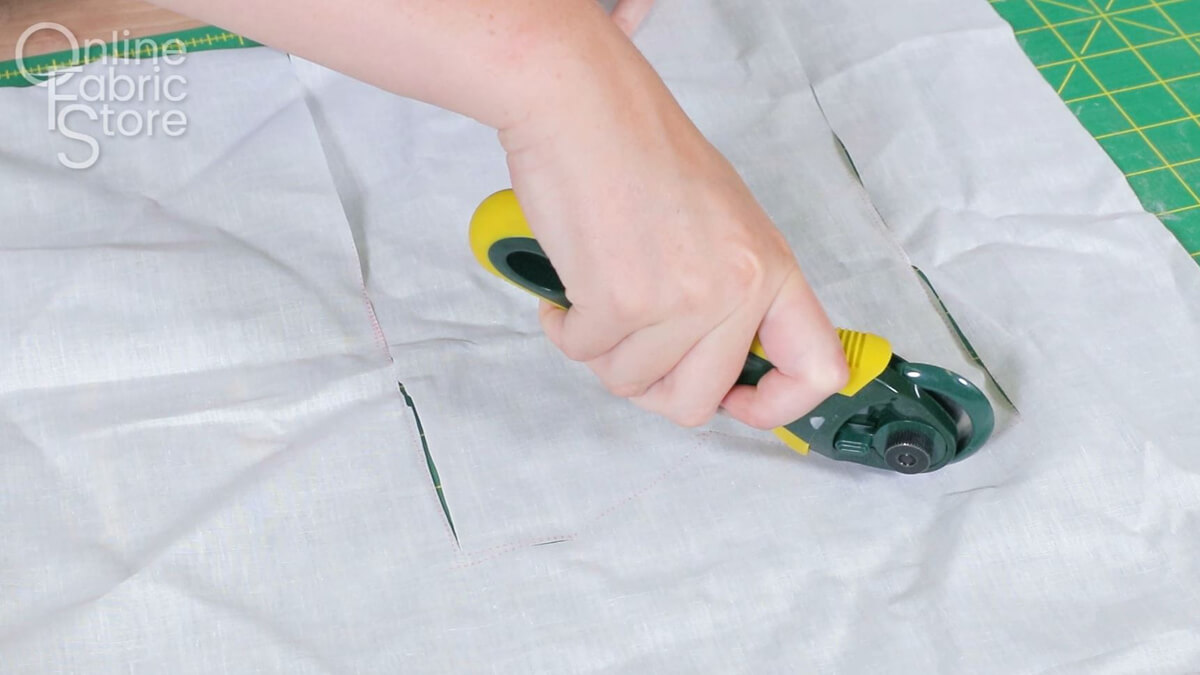 Rotary cutter and mat
#2 - A loop turner
I don’t mean to be dramatic or anything, but I might actually love loop turners. They have seriously changed my life.
This turner makes straps, loops, and tubs right side out with ease. And if you follow our page, you have probably noticed the recent discovery and obsession with this tool. It has made so many projects that I have spent hours trying to figure out the construction of take minutes (literally).
Just this morning I used it to fish the string back out of the hole on my hoodie (I also could have pulled it out and used the bodkin, but we will talk about that nifty tool in a minute.)
If you didn’t know this tool existed – you need it. If you knew about and and thought “Oh, well how great can it really be?” It is seriously that great and you should treat yourself to one immediately.
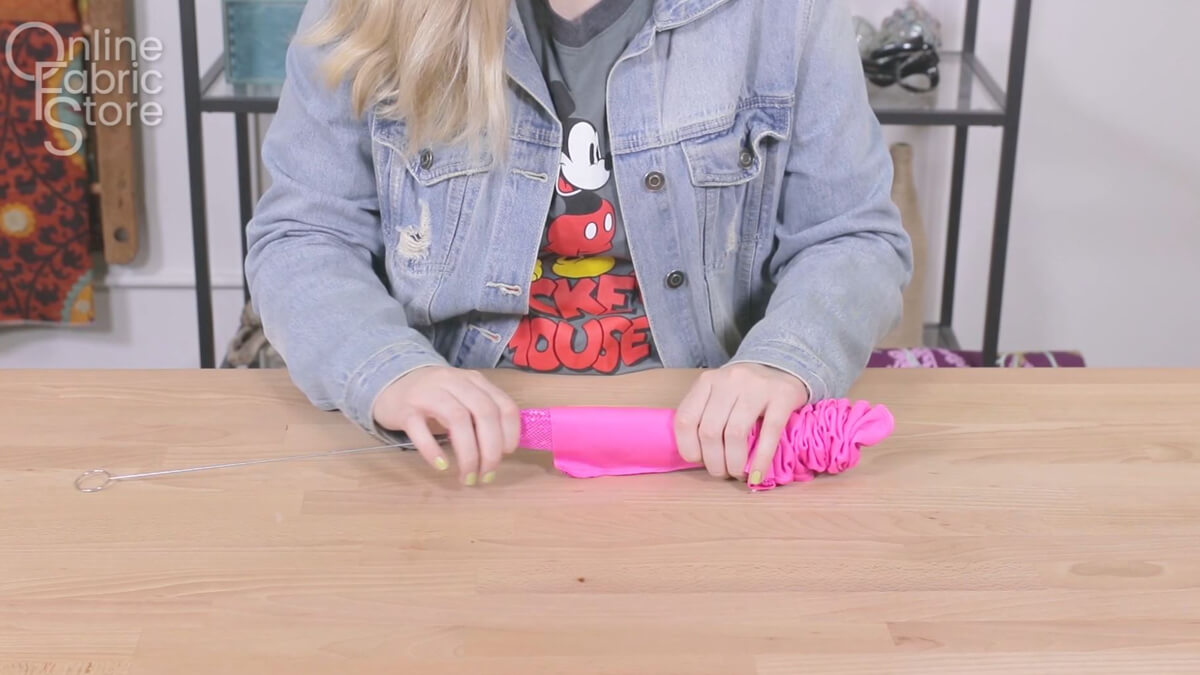 Loop turner
#3 - A tracing wheel and tracing paper
Tracing paper is great for tracing patterns so you don’t ruin the delicate tissue paper that most patterns are made out of. I don’t use a ton of patterns, because I always start my projects from scratch but I see the appeal to this product.
They are also great for when you need to make adjustments to a pattern that are individual to you so you don’t ruin the pattern in the process.
Lastly, if you want to mark the pattern onto the fabric before cutting (because we don’t cut paper with our nice scissors) or you just don’t want to cut the pattern down to size, you can use these tools to mark up the fabric. The paper has a chalky like coating that comes off when you trace, which makes cutting an breeze.
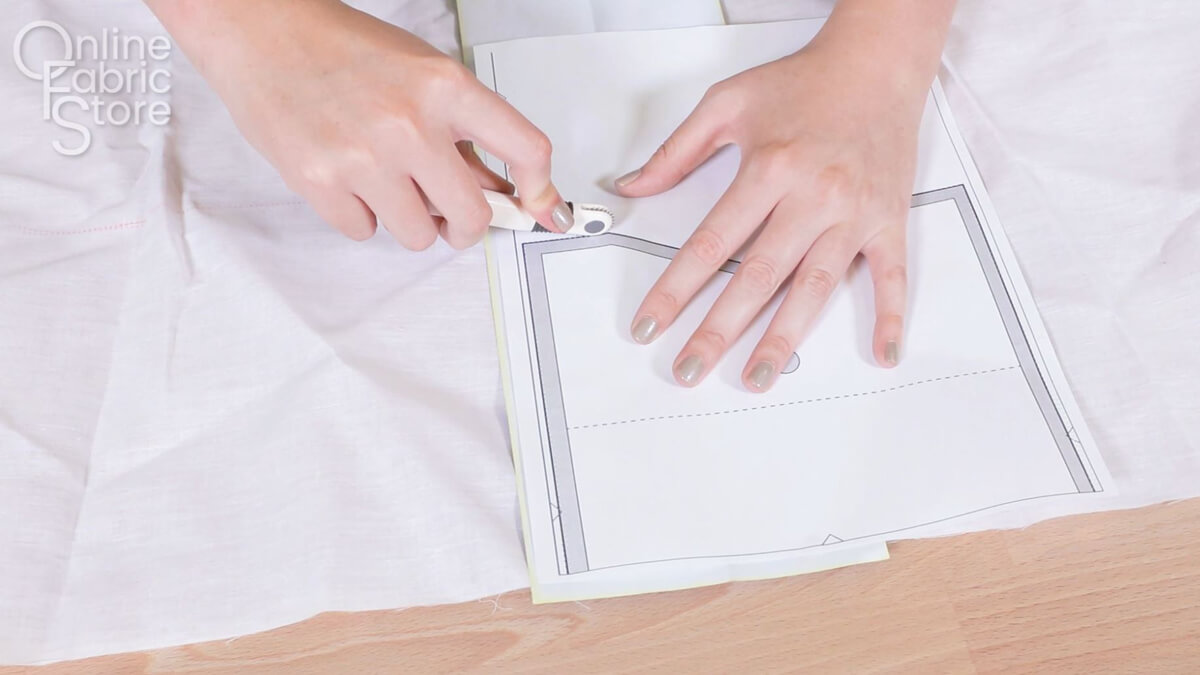 Tracing paper and wheel
#4 - Fray Check
When dealing with fabrics that like to fray, Fray Check helps minimize the problem by acting as a glue. It is washable, super easy to use and dries quickly. Need I say more?
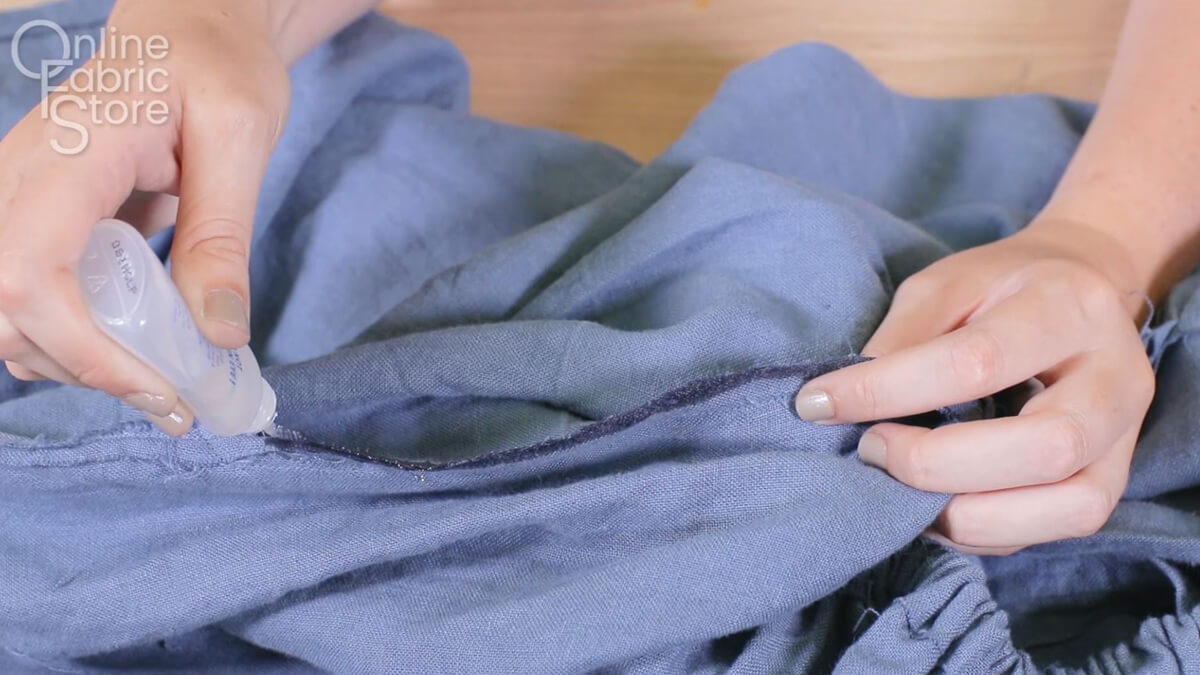 Fray Check
#5 - Sewing gauge
What else have you used your sewing gauge for? I want to know!
Sewing gauges are great for measuring out where to put pleats, darts, button holes, and hems.
BUT THERE’S MORE
The little carrot tool at the end helps create sharp curves.
You can also use the gauge to create perfect circles and scallops.
It’s a multi tool we can all get behind.
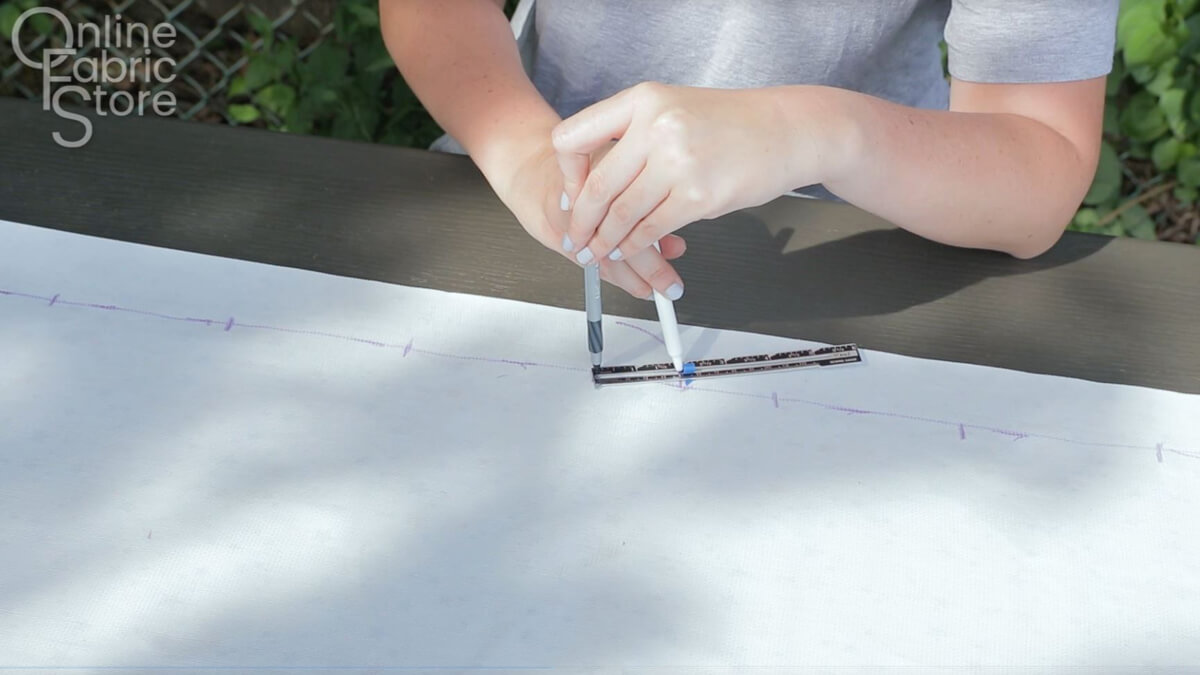 Sewing gauge
#6 - Stitch Witchery
Stitch witchery is great for hemming clothes and for no sew projects.
Use an iron for a permanent seal and after that it is machine washable. It is a pretty strong bond, and while not all projects can be done with stitch witchery, you would be shocked by how far this thin strip of adhesive can get you.
You can also use it in hems and then go back over it with a sewing machine. Stitch Witchery adds a little stability and stiffness to the fabric so when the hem is sewn it is nice and crisp.
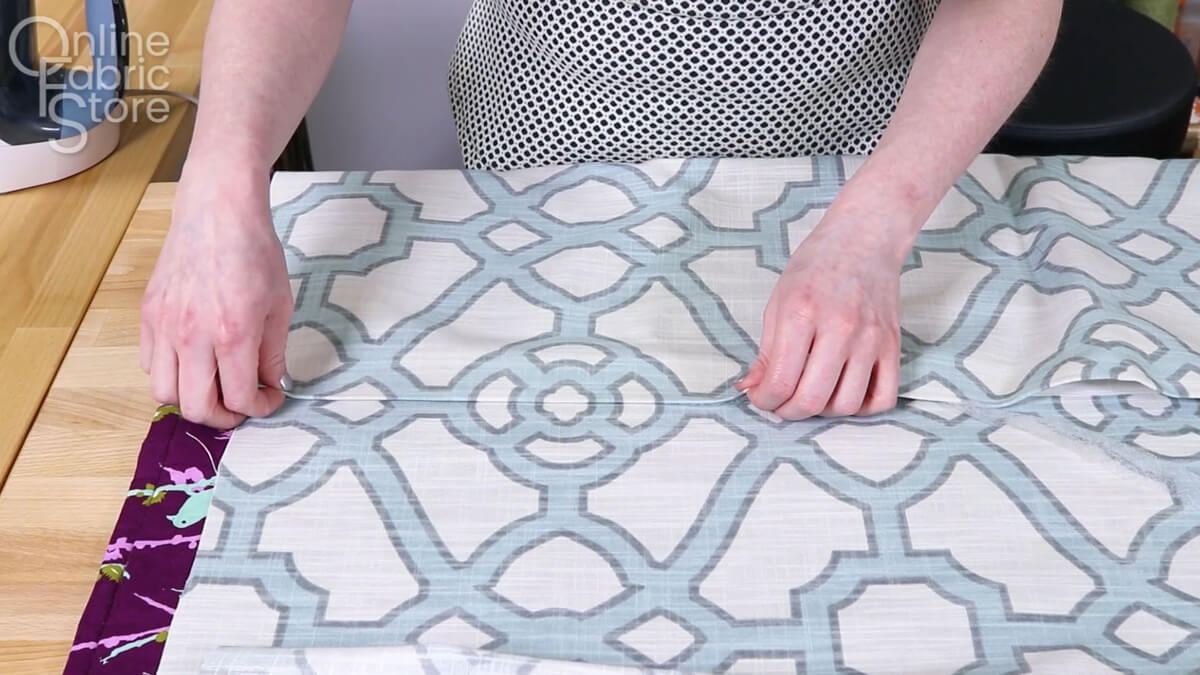 Stitch Witchery
#7 - Bias tape maker
Looking for custom bias tape? Make it yourself without any hassle. See our How to Make Bias Tape tutorial for details.
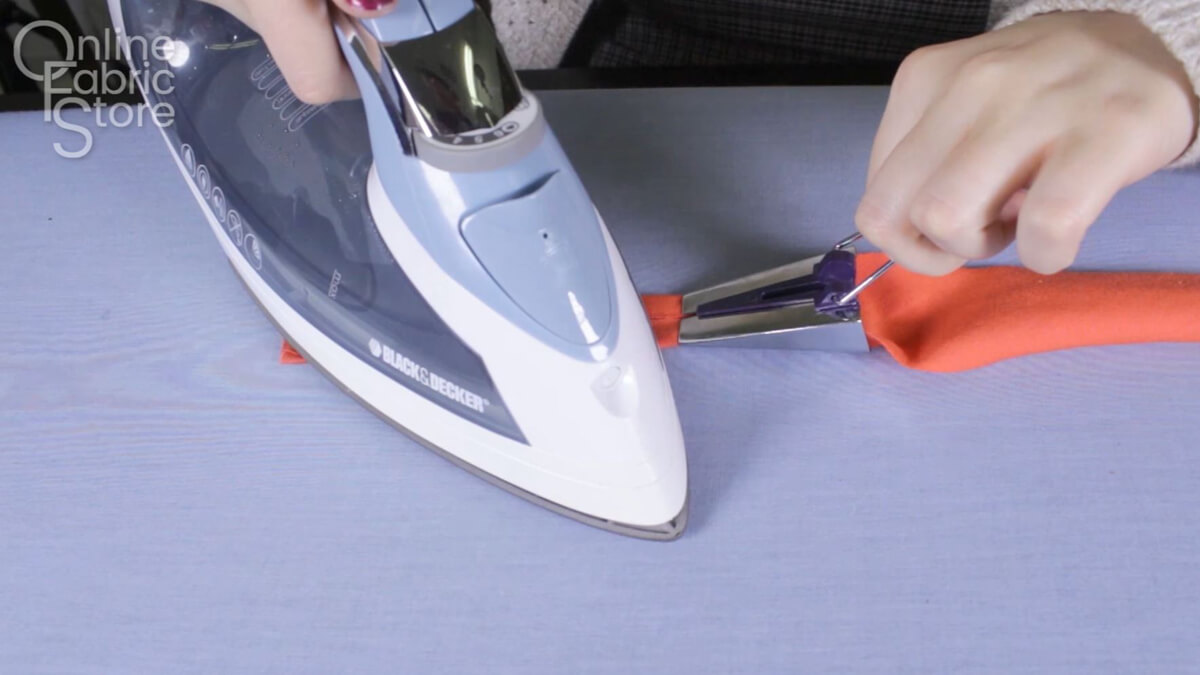 Bias tape maker
#8 - Bodkin
Bodkins are great for inserting elastic or cording into waistbands, trims, drawstring bags, or weaving ribbon through a wreath or a lot of other things.
You get it.
It’s a great tool that will save you some serious hassle.
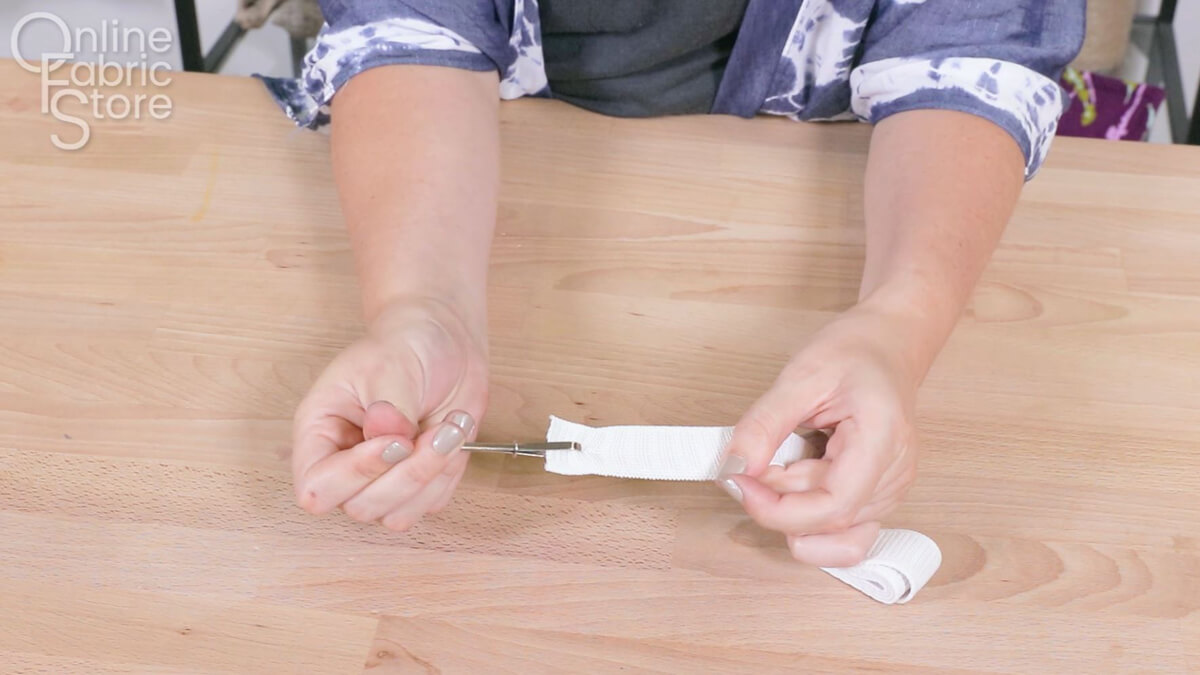 Bodkin
#9 - Clips
Clips have become a new best friend of mine. They are great for the lighter weight and stretchy fabrics and don’t leave pin marks. They’re super easy to use and are less dangerous than pins (this is rather important to me.)
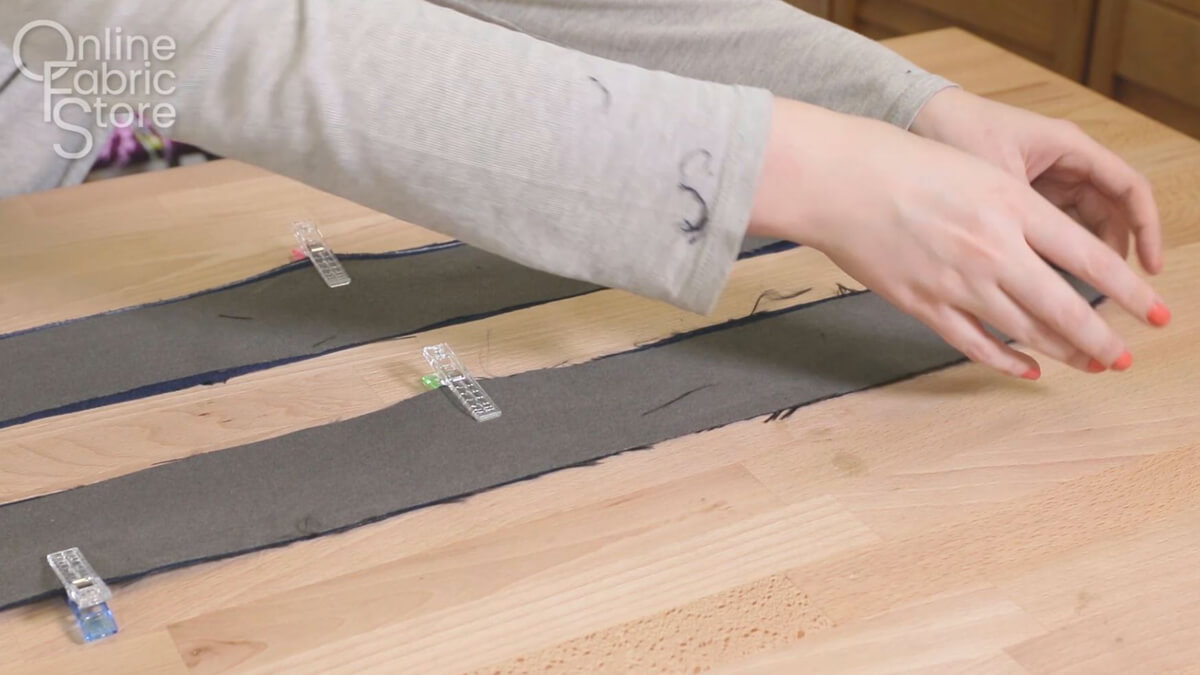 Clips
Clips
#10 - Muslin
Muslin is great for project prototypes or mock ups for garments.
When I am making project prototypes, it is a great way to work out the kinks before cutting and potentially ruining my more expensive fabric.
Its cheep, it’s lightweight, and it’s easy to work with. So keeping a bolt around is a great idea if you are looking to really get into sewing on a regular basis.
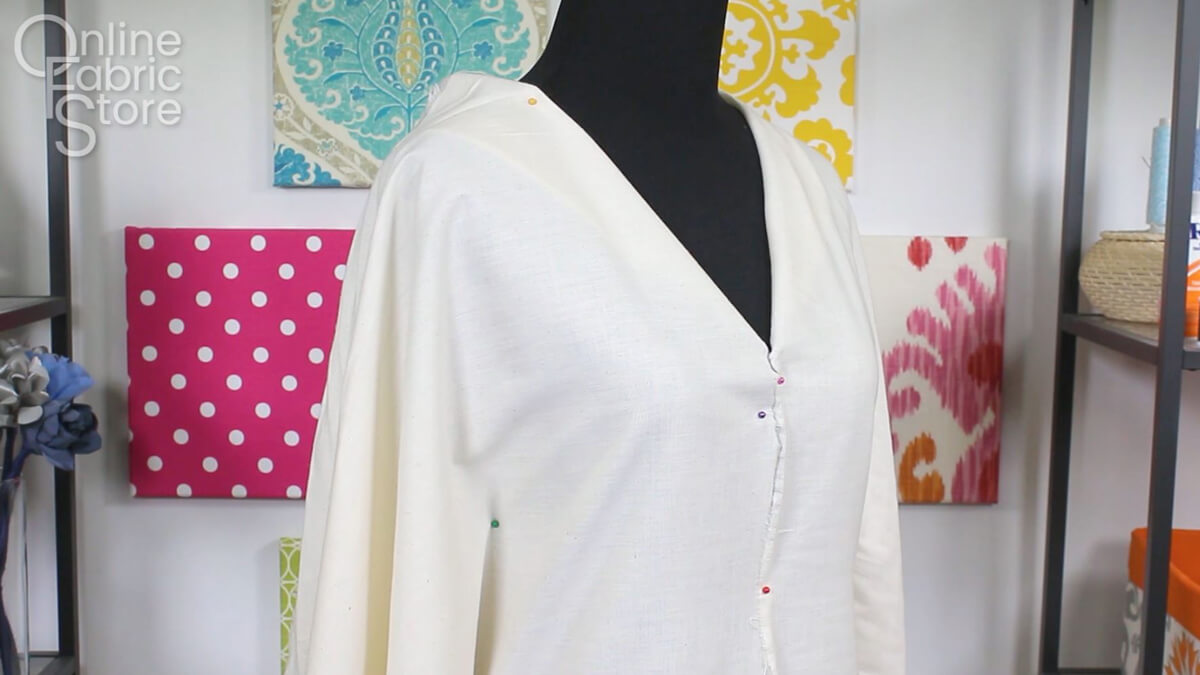 Muslin mock up