


No results found
We couldn't find any products matching these filters.
Clear filters and see all products
Looking for a specific fabric? Tell us what you need and we'll help track it down. Email us at help@onlinefabricstore.com
Sewing & Fabric Essentials
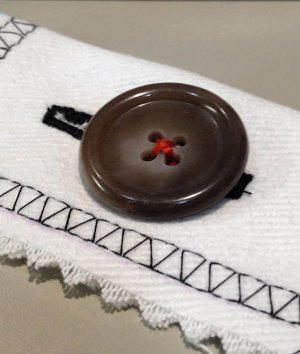
Buttonholes can be intimidating but they're not as hard as you might think, you just need a bit of planning and patience. This method uses a sewing machine, but you won't need any special attachments.
View this tip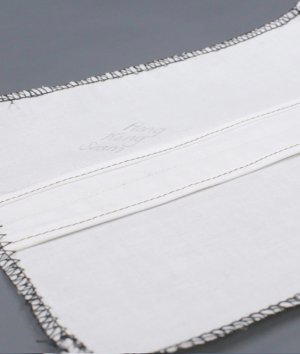
A Hong Kong seam can mostly be found in pants, dresses, and coats. This seam gives a smooth and lightweight finish on both sides.
View this tip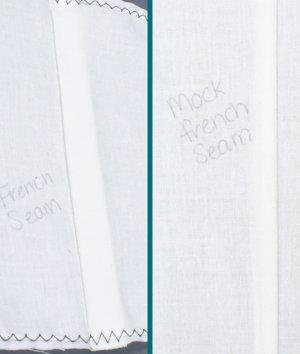
A French seam, which is one of the most common seams found in apparel, can be used in pants, shirts, unlined bags, and dresses. The mock French seam is used for similar purposes, but works better around curves than the French seam.
View this tip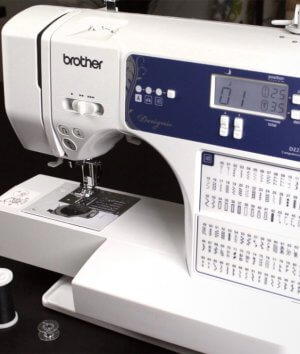
Sewing can be intimidating for first time sewers, but it's really very easy. There are two types of basic sewing machines: mechanical and computerized. They all have the same parts, but will be operated slightly differently. Refer to your manual for specifics about your sewing machine.
View this tip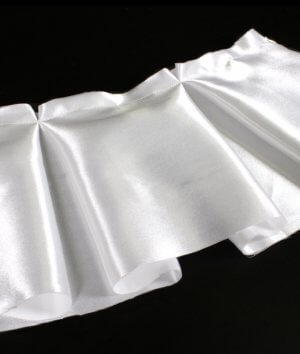
Box pleating is another form of pleating fabric that can be seen in a lot of skirts. This pleat is one of the most common types of pleating as it shows off a sophisticated and professional look.
View this tip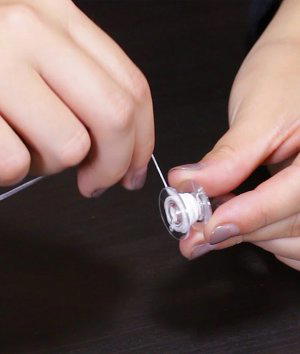
Elastic thread is thicker than normal thread and it stretches more. Elastic thread is used with stretchy fabrics and materials like jersey cotton and elastic. In many cases, a zigzag or stretch stitch with regular thread will provide enough give to work with stretchy materials, but elastic thread can be used for certain cases. See How to Sew Stretch Fabric for tips on working with stretchy fabrics. Elastic thread is used in the bobbin in combination with regular thread in the top stitch because the elastic thread is too thick to be threaded through the machine.
View this tip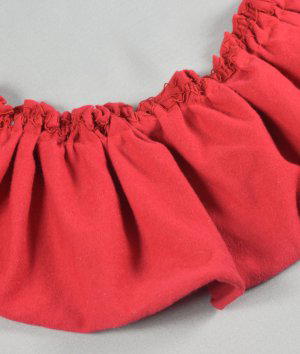
Ruffles can be made for skirts, dresses, blouses, children's wear, and curtains. There are 2 different types of ruffles; pleated and gathered. Gathered ruffles are most popular and create a full look whereas pleated ruffles can look a little more elegant. Ruffles are a great accent whether large or small.
View this tip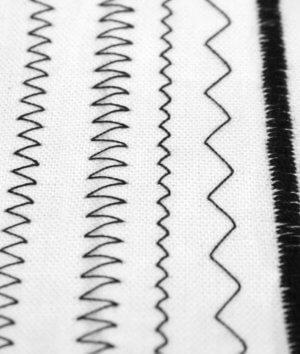
The zig zag stitch is one of the most common stitches, along with the straight stitch, and it has many uses. It's perfect for sewing stretch fabrics because it has more give than the straight stitch. It's generally sturdier than the straight stitch, so it can be used if you want something sewn extra strong. It's often used as a decorative stitch, as well.
View this tip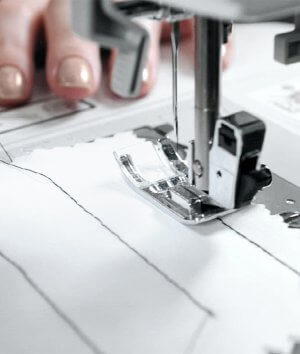
The straight stitch is the go-to stitch when sewing. It's great for sewing a wide variety of fabrics and is very versatile. Specific instructions will vary be sewing machine, but the results look the same!
View this tip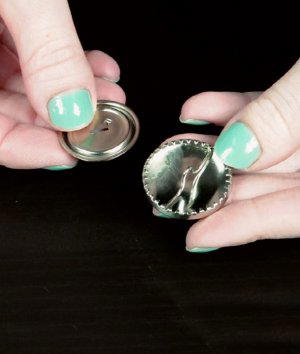
Half ball cover buttons are commonly used in home décor as buttons for tufting on upholstery, pillows, and cushions. They can also be used in crafts and for fashion and accessories. You can cover them with any fabric to match your project or as an accent. Dritz Half Ball Cover Buttons are really simple to cover with no special tools required.
View this tip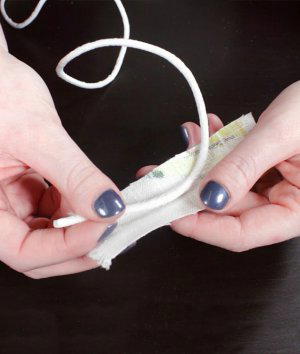
Piping adds a nice finishing touch to projects like cushions, pillows, or upholstery. The cord that is inside piping is referred to as cording, welting, piping cord or welt cord. It comes in many thicknesses. 1/8" is a common size. The core can be made of various materials like cotton, cellulose paper fiber, or foam.
View this tip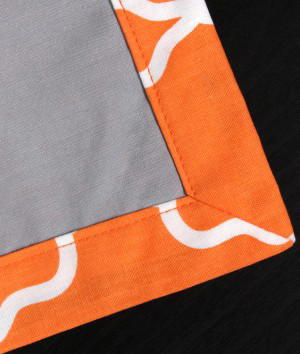
A mitered corner is when two sides come together at a 45 degree angle. You can use this technique to create a polished look on many sewing projects, like napkins, tablecloths, blankets, quilts and curtains. You can make mitered corners just about any size. This example will have a 1" mitered corner.
View this tip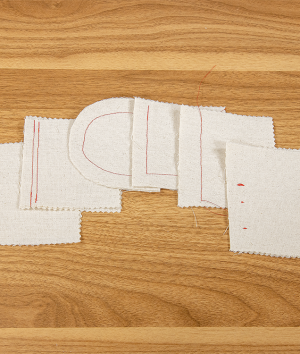
As I've been sewing more, I'm finding that I'm using techniques that i don't even know the names of. I figured it's time to go back and learn some basics. I'll be going over some simple seams including a straight seam, a double straight seam, a curved seam, a cornered seam, a basting seam, and bar tacks. You may recognize some of these seams from my previous projects.
View this tip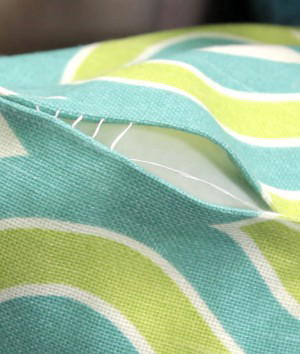
The invisible stitch, also known as the ladder, slip, blind, or hidden stitch is a commonly used hand sewing stitch. In this example, I'm using it to sew closed the opening on a pillow cover.
View this tip-
{{#each productSuggestedQueries.results}}
- {{query}} {{/each}}
-
{{#each categories.results}}
- {{html title}} {{/each}}
{{html attributes.description}}
{{/if}}-
{{#each queries.results}}
- {{query}} {{/each}}