


No results found
We couldn't find any products matching these filters.
Clear filters and see all products
Looking for a specific fabric? Tell us what you need and we'll help track it down. Email us at help@onlinefabricstore.com
Sewing & Fabric Essentials
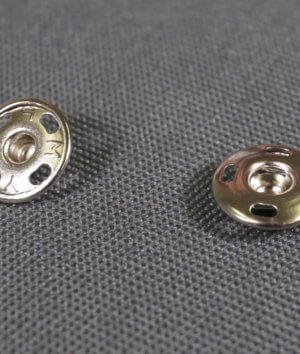
The basic use for sew-on snaps is to hold overlapping edges together. They are nickel plated brass and come in various sizes. There is a flat surface on one side and a rounded surface on the other. These snaps are found in a lot of hand bags, coin pouches, and can also be used in apparel.
View this article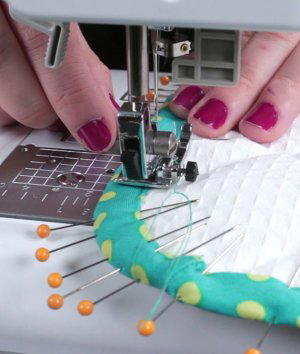
Bias tape adds a nice trim to a project. You can use a solid color or a print. You can also use a bias tape maker or just fold the edges over manually and iron. The bias tape maker helps with control and makes a nice and neat fold.
View this article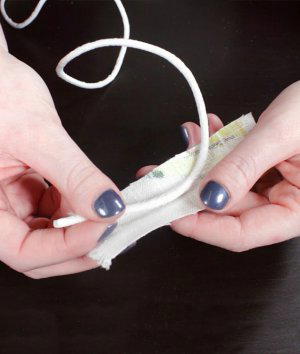
Piping adds a nice finishing touch to projects like cushions, pillows, or upholstery. The cord that is inside piping is referred to as cording, welting, piping cord or welt cord. It comes in many thicknesses. 1/8" is a common size. The core can be made of various materials like cotton, cellulose paper fiber, or foam.
View this tip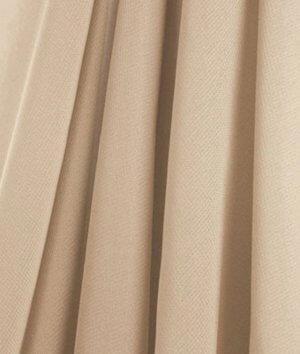
Sewing with sheer fabric can be difficult. Learn these simple tips on how to create a beautiful stitch on a fabric that is very slippery. Needle For best results, use a sharp #70 needle. This needle is made for lightweight fabrics and will sew smoothly without puncturing big holes in the fabric. It may also help to use thin paper such as tracing paper or wax paper to put under the fabric when sewing.
View this article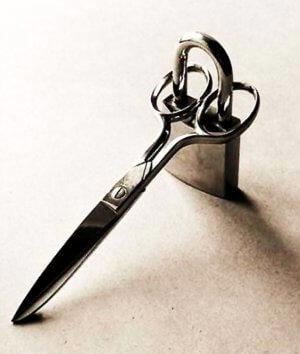
It seems like it would be pretty simple. Fabric shears are for fabric only and paper scissors are for paper. However, there will be that person who uses them on paper not realizing it, not caring, or not knowing the difference. If you're a maker who works with fabric and knows the importance of a nice sharp pair of shears that cuts smooth like butter then you'll feel the pain when those shears cut paper. Maybe I'm being a little dramatic, but there is a difference between fabric shears and paper scissors.
View this article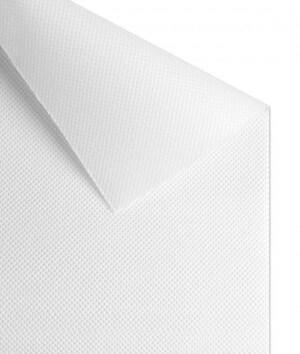
There are so many options for interfacing, choosing one can be a bit overwhelming. Learn what kinds are best for your project and how to make sure they are compatible with your fabric.
View this article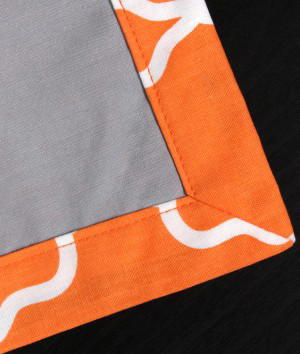
A mitered corner is when two sides come together at a 45 degree angle. You can use this technique to create a polished look on many sewing projects, like napkins, tablecloths, blankets, quilts and curtains. You can make mitered corners just about any size. This example will have a 1" mitered corner.
View this tip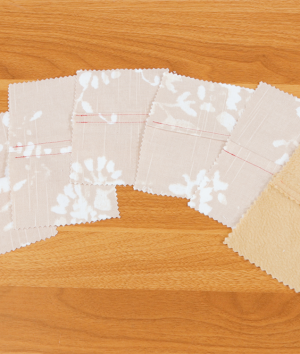
Last time we covered a variety of basic seams, so lets try some more complex ones! Here I'll be going over how to sew a French Seam, a Double-Top Stitch Seam, a Flat-Felled Seam, a Welt Seam, a Tucked Seam, and a Lapped Seam. This set of seams are all reinforced and some enclose the selvedge within the seam. All of these seams add durability and finishing touches to your work.
View this tutorial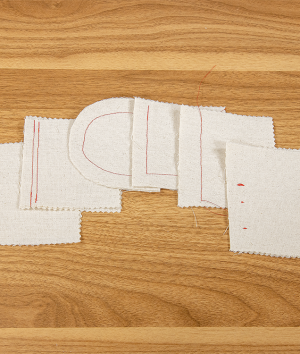
As I've been sewing more, I'm finding that I'm using techniques that i don't even know the names of. I figured it's time to go back and learn some basics. I'll be going over some simple seams including a straight seam, a double straight seam, a curved seam, a cornered seam, a basting seam, and bar tacks. You may recognize some of these seams from my previous projects.
View this tip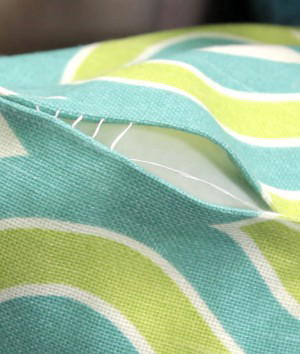
The invisible stitch, also known as the ladder, slip, blind, or hidden stitch is a commonly used hand sewing stitch. In this example, I'm using it to sew closed the opening on a pillow cover.
View this tip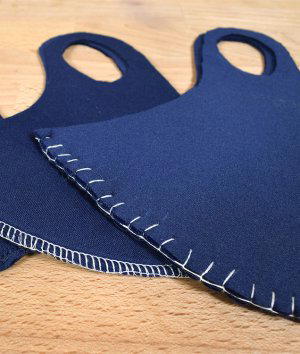
An overlock stitch is a great way to hem the edges of your fabric so they don't fray. You will see this type of stitch on the inside of a lot of manufactured clothing. It is often sewn using a Serger machine, but it can be done by hand, and we will show you how. To sew an overlock stitch, you will want to want to match up the edges of your fabric. I have seen this done with only one piece, and that will help to prevent fraying, but for this demonstration I will be using two so I can sew the pieces together while also creating a nice finished edge.
View this tip
You've been asking the questions and we have been hearing you. Now, we are here to bring you a series about dyeing fabric so you can be the most informed you can be before you start dying!
View this article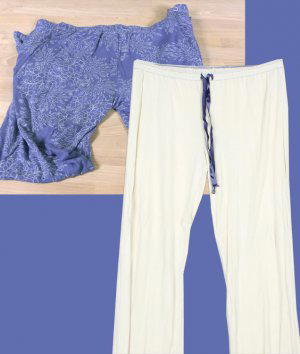
Rit Color Remover is a great product designed to remove colors from fabrics without having to use harsh chlorine bleach. Regular bleach damages the fibers in fabrics so if you go to re-dye them a different color afterwards, your results may not be consistent or may not turn out how you are expecting them to. Rit Color Remover works on cotton, linen, silk, wool, ramie, rayon and nylon and leaves a blank slate that is ready to be dyed.
View this article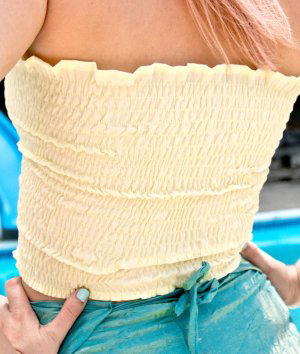
Shirring, is a method used in sewing that gathers fabric and is often used in garments like dresses and blouses to give them shape and add some textural dimension. Shirring can be done easily with a sewing machine, elastic thread, and medium to lightweight fabric. Here's how.
View this tutorial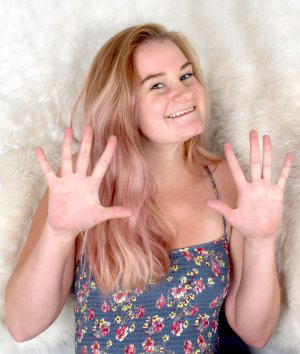
A few weeks ago I brought you 6 Sewing Kit Essentials. And those are great and all but they're really just scratching the surface. There are so many tools out there that cut down on work time, stress, and generally make my life easier when I am sewing. So, I compiled a list of 10 things that I recently added to my sewing kit that have seriously changed my life.
View this article
Looking to get into sewing? It's a really great skill to have if you are looking to save money or if you have a hard time finding clothes that fit you well in stores. It's also a great trick to have under your belt if you are a thrifter because stores will usually sell clothes for cheap if they need any work done before the customer can even wear it. There's a million things you can do when you learn how to sew, there are a million tools as well that can help you make your life easier (maybe not quite 1 million, but you get the idea. ) So, I thought it would be a good idea to talk about the 6 most essential tools to start your sewing kit.
View this article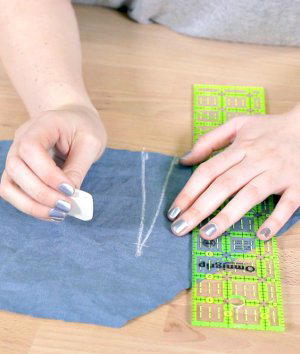
A dart is a method used in sewing to add shape to a garment. Darts are often used on the busts of dresses and blouses, skirts and to minimize gaping at sleeve openings. There are a few parts of a dart that are important to understand before sewing them into your garment.
View this tip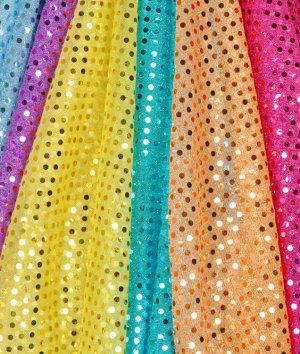
Sequin is a trendy fabric that can be used in a variety of projects from décor and crafts to apparel. But while it is beautiful and great for adding lots of sparkle and dimension to your project, sewing sequins can be a little tricky. Weather it be a dance costume that's being made from scratch or your favorite party shirt that your friend ripped when they borrowed it last, you might need a hand in sewing it just right (and this is important) the first time. Here's a guide to help you through it.
View this article-
{{#each productSuggestedQueries.results}}
- {{query}} {{/each}}
-
{{#each categories.results}}
- {{html title}} {{/each}}
{{html attributes.description}}
{{/if}}-
{{#each queries.results}}
- {{query}} {{/each}}