
Maker's Mill: Sewing Guides, Tutorials & Fabric Tips
No results found
We couldn't find any products matching these filters.
Clear filters and see all products
Looking for a specific fabric? Tell us what you need and we'll help track it down. Email us at help@onlinefabricstore.com
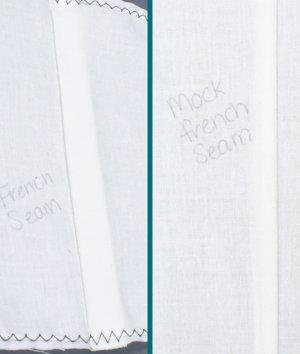
A French seam, which is one of the most common seams found in apparel, can be used in pants, shirts, unlined bags, and dresses. The mock French seam is used for similar purposes, but works better around curves than the French seam.
View this tip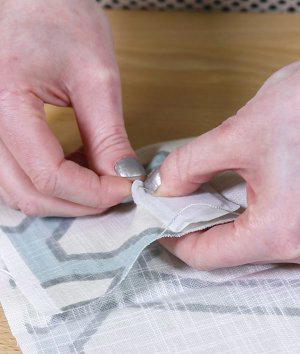
Drapery weights are used in the hem of curtains to make them hang straighter and improve the drape. There are several kinds of weights and different ways to add them. Check out our selection of drapery weights.
View this tip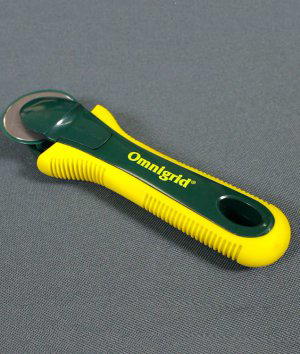
Rotary cutters are made to cut fabric, paper, leather, vinyl, mat board, and foam core. They are sometimes preferred over scissors when you need a straight, clean, precise cut, making them a favorite of quilters. We offer Omnigrid rotary cutters in 2 sizes and also carry replacement blades. The smaller 28mm size is best for curves and provides the most precision. You'll also need a cutting mat to protect the surface you're working on.
View this tip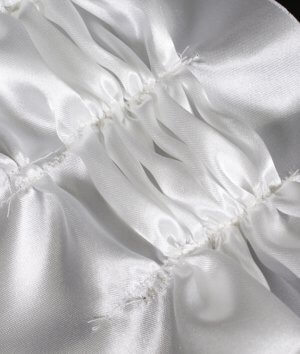
Ruching is a form of gathering fabric for texture and detail in a garment. Ruching can be seen in bathing suits, wedding gowns, and fitted tops. It can also be seen in some home decor products such as pillows.
View this tip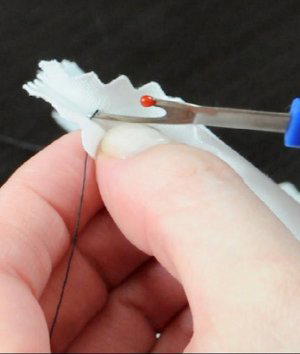
Seam rippers are useful to have when correcting sewing mistakes. A seam ripper is made up of a long point, a blade which is a curved part in the middle, and a little ball that helps protect the fabric.
View this tip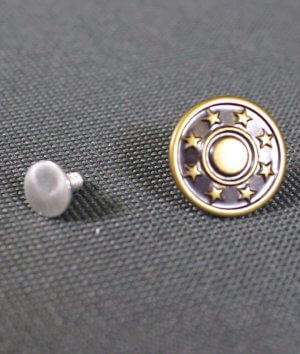
Jean buttons are specifically used in jeans and pants to make fastening the waistband easier. They are much more durable than buttons that are sewn on so they can withstand a lot of wear and tear. They come in antique brass and nickel finishes, and are 11/16″ wide. Here's how to attach jean buttons to your project.
View this tip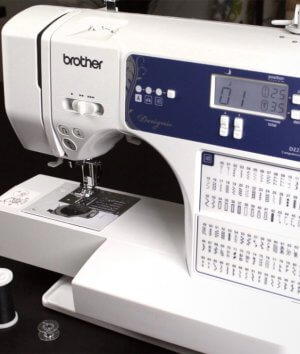
Sewing can be intimidating for first time sewers, but it's really very easy. There are two types of basic sewing machines: mechanical and computerized. They all have the same parts, but will be operated slightly differently. Refer to your manual for specifics about your sewing machine.
View this tip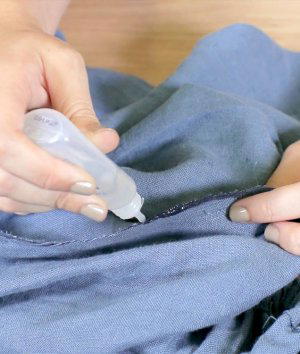
Dritz Fray Check is a seam sealant that prevents fabric from fraying and secures thread ends. It's perfect for use on the raw edges of fabric, ribbon, and trim. It also prevents thread ends on sewing and embroidery projects from coming loose. It can be used to finish raw edges on the inside of garments so they don't fray when washed. It's also great for small holes and tears and can be used in combination with an invisible hand stitch to make repairs to clothing and other items.
View this tip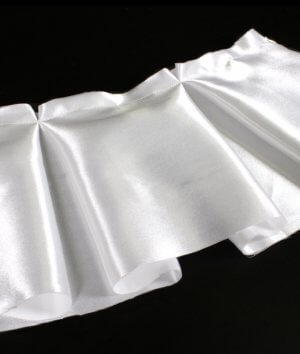
Box pleating is another form of pleating fabric that can be seen in a lot of skirts. This pleat is one of the most common types of pleating as it shows off a sophisticated and professional look.
View this tip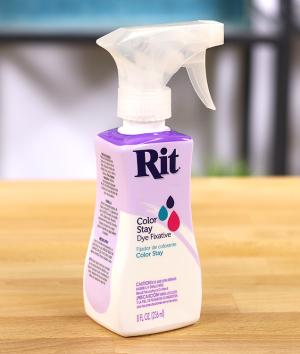
Rit ColorStay Dye Fixative greatly enhances the color retention of items dyed with Rit dye. Use it after dyeing but before rinsing to enhance the color and prevent fading over time. It works on cotton, linen, silk, wool, and rayon. You can also use this Rit Dye Perfection Kit which includes color remover, dye fixative, and a spray nozzle.
View this tip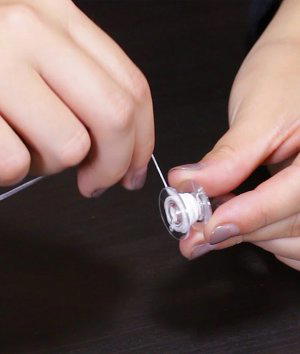
Elastic thread is thicker than normal thread and it stretches more. Elastic thread is used with stretchy fabrics and materials like jersey cotton and elastic. In many cases, a zigzag or stretch stitch with regular thread will provide enough give to work with stretchy materials, but elastic thread can be used for certain cases. See How to Sew Stretch Fabric for tips on working with stretchy fabrics. Elastic thread is used in the bobbin in combination with regular thread in the top stitch because the elastic thread is too thick to be threaded through the machine.
View this tip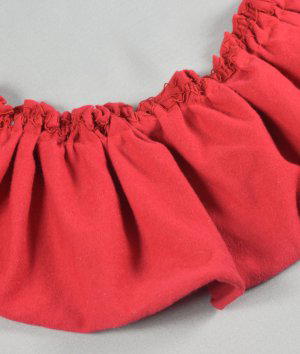
Ruffles can be made for skirts, dresses, blouses, children's wear, and curtains. There are 2 different types of ruffles; pleated and gathered. Gathered ruffles are most popular and create a full look whereas pleated ruffles can look a little more elegant. Ruffles are a great accent whether large or small.
View this tip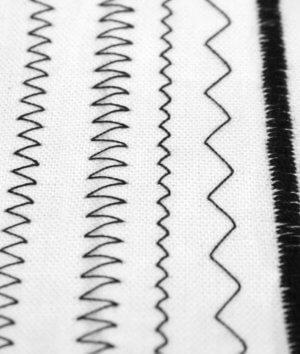
The zig zag stitch is one of the most common stitches, along with the straight stitch, and it has many uses. It's perfect for sewing stretch fabrics because it has more give than the straight stitch. It's generally sturdier than the straight stitch, so it can be used if you want something sewn extra strong. It's often used as a decorative stitch, as well.
View this tip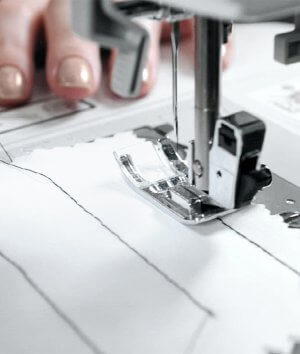
The straight stitch is the go-to stitch when sewing. It's great for sewing a wide variety of fabrics and is very versatile. Specific instructions will vary be sewing machine, but the results look the same!
View this tip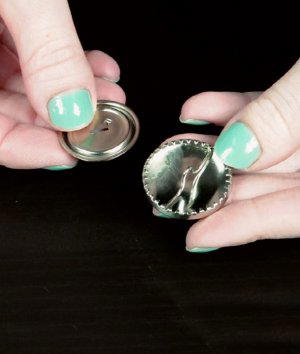
Half ball cover buttons are commonly used in home décor as buttons for tufting on upholstery, pillows, and cushions. They can also be used in crafts and for fashion and accessories. You can cover them with any fabric to match your project or as an accent. Dritz Half Ball Cover Buttons are really simple to cover with no special tools required.
View this tip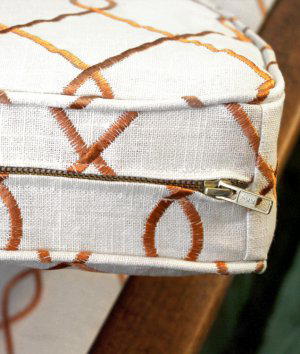
There are many ways to sew a zipper but this method is great for home décor projects like cushions or pillows with zippers. This technique creates flaps over the zipper to make it less visible. Our YKK upholstery zippers are available in many lengths and have durable brass teeth. See How to Make Box Cushions with a Zipper for the full tutorial on making box cushions.
View this tip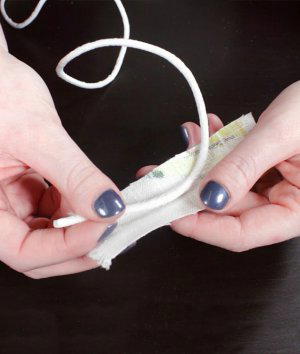
Piping adds a nice finishing touch to projects like cushions, pillows, or upholstery. The cord that is inside piping is referred to as cording, welting, piping cord or welt cord. It comes in many thicknesses. 1/8" is a common size. The core can be made of various materials like cotton, cellulose paper fiber, or foam.
View this tip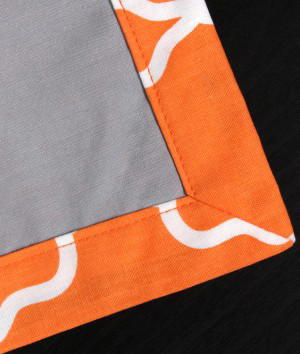
A mitered corner is when two sides come together at a 45 degree angle. You can use this technique to create a polished look on many sewing projects, like napkins, tablecloths, blankets, quilts and curtains. You can make mitered corners just about any size. This example will have a 1" mitered corner.
View this tip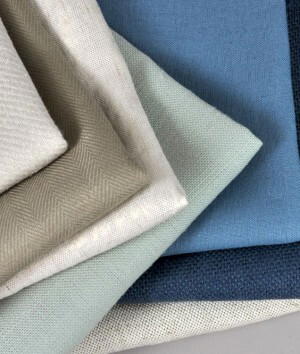
Linen is classic and comes in a variety of fresh colors. It is cool and comfortable and can be dressy or casual. Handkerchief linen is easy for beginners to sew; heavier weights are easy once you have developed a little skill. Linen has a tendency to ravel and so your seams must be finished. It also wrinkles easily.
View this tip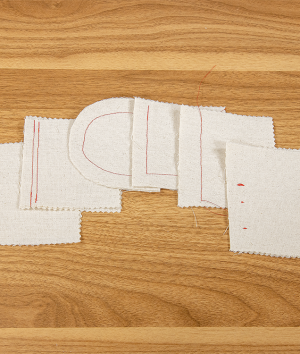
As I've been sewing more, I'm finding that I'm using techniques that i don't even know the names of. I figured it's time to go back and learn some basics. I'll be going over some simple seams including a straight seam, a double straight seam, a curved seam, a cornered seam, a basting seam, and bar tacks. You may recognize some of these seams from my previous projects.
View this tip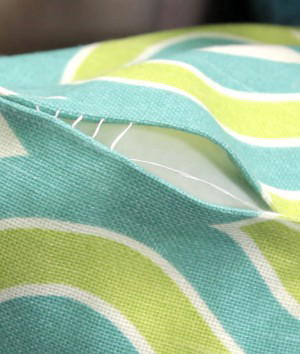
The invisible stitch, also known as the ladder, slip, blind, or hidden stitch is a commonly used hand sewing stitch. In this example, I'm using it to sew closed the opening on a pillow cover.
View this tip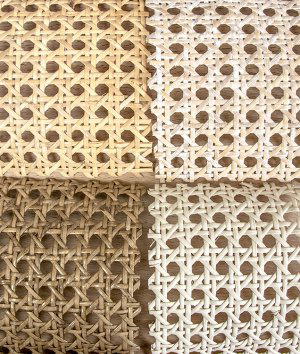
Today we are going to answer a question we've been getting asked a lot recently. Can you paint cane webbing? The answer is, yes, of course. But there are a few tips that you are going to want to use to get the best results possible. I am going show you how to paint cane and I am going to go over a couple of other ways you can modify rattan so you are sure to get the look you are going for.
View this tip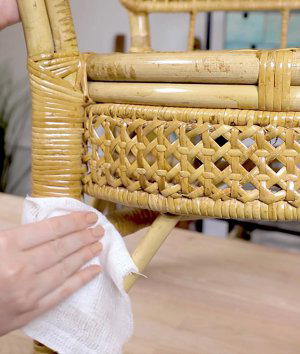
Cane Webbing has made a huge comeback in recent years (like all GREAT trends) And let me tell you, I am here for it. Cane can last for a really long time, with some pieces being found in tact after hundreds of years. Most notably, some beautifully preserved in ancient Egyptian tombs but also many pieces from the 17th century, & the Victorian era. There are a few things that should be done to keep your cane furniture looking shiny, supple, & taught. These care tips are easy enough to follow and they will protect your furniture, helping it last for years to come.
View this tip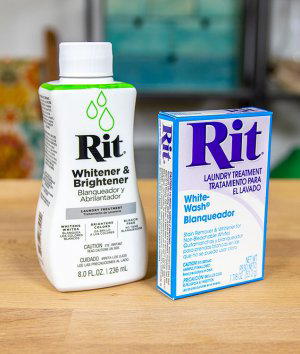
Today I am going to show you how whiten clothes without using bleach. Instead, we are going to brightening these fabrics using two different RIT fabric treatments. The first product I am going to use is Rit white wash. This product is specifically to remove stains from white clothes and make clothes whiter. The second product I will be using is Rit whitener and brightener.
View this tip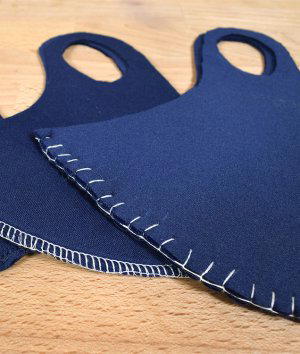
An overlock stitch is a great way to hem the edges of your fabric so they don't fray. You will see this type of stitch on the inside of a lot of manufactured clothing. It is often sewn using a Serger machine, but it can be done by hand, and we will show you how. To sew an overlock stitch, you will want to want to match up the edges of your fabric. I have seen this done with only one piece, and that will help to prevent fraying, but for this demonstration I will be using two so I can sew the pieces together while also creating a nice finished edge.
View this tip
We get asked question all the time on our dying videos about really general and really specific projects that you guys are working on. Dying is something that takes a long time to perfect, and most people only do it when they are in a pinch. We know that knowledge is power though, so we decided to start a series about dying. We looked through your FAQ's, found some common themes, and used our knowledge to run some experiments. So this is the first of many, but we started with questions revolving around the theme of "what happens when…?
View this tip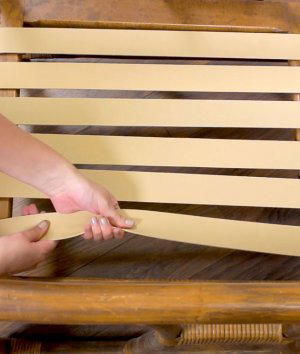
Rubber webbing is used in furniture under cushions to provide a bit of bounce and comfort. It's often used instead of coil springs in chairs with low profiles, making it very common in mid-century chairs in particular. To restore your chair, you'll need Pirelli rubber webbing and rubber webbing clips, which we offer here at OnlineFabricStore. I will be showing you an easy method that you can do with a lot of tools you already have at home. Using this chair we got at the Brimfield Flea Market, I'll be showing you how to install rubber webbing with metal clips.
View this tip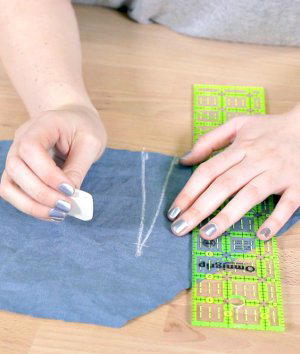
A dart is a method used in sewing to add shape to a garment. Darts are often used on the busts of dresses and blouses, skirts and to minimize gaping at sleeve openings. There are a few parts of a dart that are important to understand before sewing them into your garment.
View this tip-
{{#each productSuggestedQueries.results}}
- {{query}} {{/each}}
-
{{#each categories.results}}
- {{html title}} {{/each}}
{{html attributes.description}}
{{/if}}-
{{#each queries.results}}
- {{query}} {{/each}}
