


No results found
We couldn't find any products matching these filters.
Clear filters and see all products
Looking for a specific fabric? Tell us what you need and we'll help track it down. Email us at help@onlinefabricstore.com
Sewing & Fabric Essentials
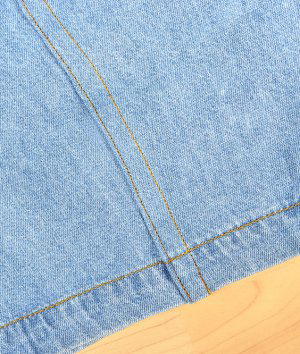
A flat felled seam or run and fell seam is a sturdy seam used for apparel. Most notably in jeans and workout apparel.
View this tip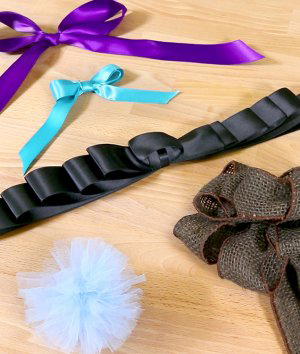
Spice up your bows! Here are 5 easy bow tying tricks for your next craft, gift or DIY accessory. From a classic bow to more sophisticated looks, we have you covered!
View this tip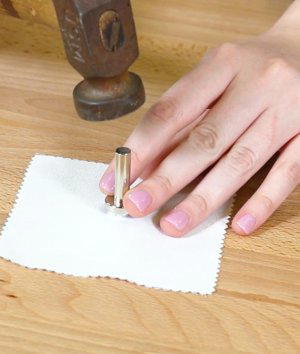
Eyelets or grommets great for apparel and arts and crafts. They come in all different sizes and can be used to keep cording from tearing holes in fabric, to add structural support, or for decorative purposes. To use eyelets, you will need a marker, scissors, a hammer, the eyelets themselves and a kit. Many eyelets come with the kit in the package, but double check before purchasing
View this tip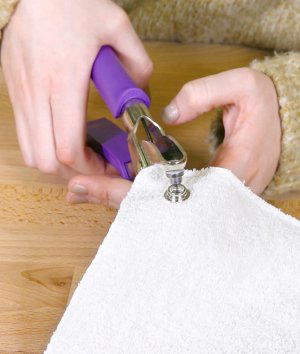
Heavy Duty Snaps are a great replacement for buttons, sew on snaps, and VELCRO® on apparel, furniture, and accessories. They are easy to use, super strong, and a permanent fix for projects from making a jacket to fixing a boat cover. I hope this tutorial helps with your next snap project! To use these snaps you will need the snaps and heavy duty snap pliers. Snaps come with four different ends.
View this tip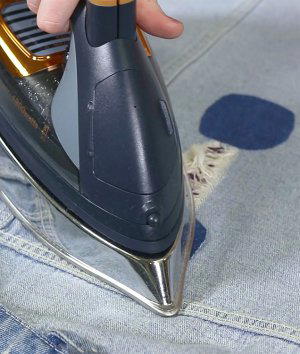
Ripped your favorite jeans? Save them with these iron-on patch hacks. Using Dritz Denim Iron-On Patches, we'll show you how to fix a rip that ripped too far, a ripped belt loop, and the worn inner thighs of jeans. Iron-on patches are also available in other types of fabrics. See the video instructions at the bottom of the page.
View this tip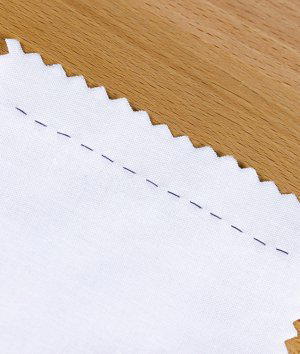
The running stitch is an easy hand sewing stitch that can be used in many projects, it can also be used to gather fabric. A smaller running stitch can also be used for embroidery and appliques. You can also do a back stitch by hand.
View this tip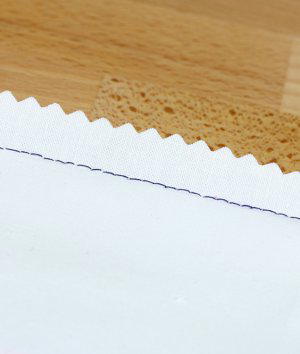
The back stitch can be used as a decorative top stitch or to create a strong seam similar to the straight stitch on a sewing machine. You can leave a bit of space between stitches if you prefer that look for decorative stitching. This stitch is used a lot for embroidery and appliques. You can also do a running stitch by hand.
View this tip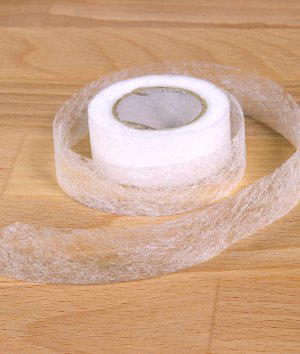
Dritz Stitch Witchery is a fusible bonding web that's great for no-sew projects. It can also be used for hems and other applications where you don't want stitches showing. The bonding tape is a strip of adhesive that melts when ironed to adhere fabric together, creating a permanent bond. Stitch Witchery comes in various widths from 1/4″ to 2″ and several weights from ultra light weight to super weight. It's machine washable and can be dry cleaned.
View this tip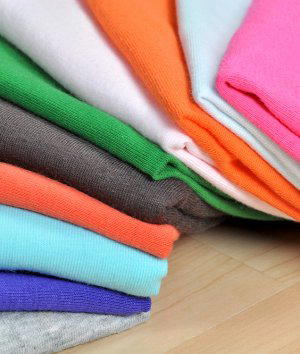
If you make your own clothing, or are looking to in the future, working with a stretch fabric at some point is pretty much unavoidable. Whether it be a jersey knit for a tank top, a stretch velvet for some kind of hat, or spandex for a blouse lining, stretch fabric is everywhere in the world of apparel. Some people try to avoid working with stretch fabric because it can be a little difficult to work with, but with a few guidelines, it can be simple. Here are some tips for sewing stretch fabric.
View this tip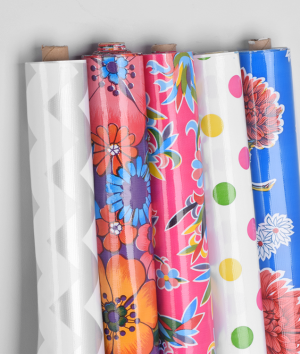
Oilcloth is a durable fabric that's easy to clean and does not fray. This shiny waterproof fabric is made of vinyl with a cotton mesh backing. Its uses range from tote bags and aprons to tablecloths and placemats. Take a look at our Oilcloth Product Guide for more information. Projects we've used oilcloth in: Oilcloth Apron Cosmetic Bag With Brush Holder Scalloped Outdoor Tablecloth with Oilcloth Here are some tips for sewing oilcloth fabric.
View this tip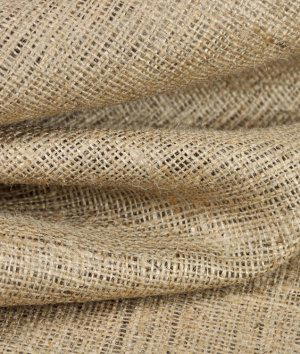
Burlap fabric is popular to use for tree skirts, table runners, craft projects, and more. It can be a little difficult to work with due to it's loose weave and tendency to fray. Here are some tips for sewing burlap fabric.
View this tip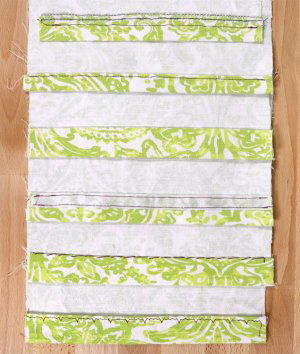
Learn 6 different ways to hem fabric: Serged hem Double fold hem Invisible hem with bonding tape Hem with hem tape Handsewn blind hem Machine-sewn blind hem Choose a type of hem depending on your project and personal preferences.
View this tip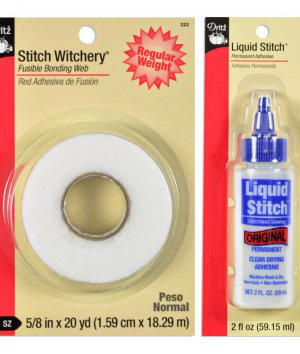
There are two great ways to attach fabric without sewing: fabric glue or a fusible bonding tape like Dritz Stitch Witchery. If you have a sewing machine, sewing is often still the fastest and most reliable method for many projects, but fabric glue or Stitch Witchery are great alternatives. They are also used when you don't want stitches to show, like on curtain hems. Different materials and fabric finishes may affect how well these products work so it's best to test either method on a scrap of fabric before using.
View this tip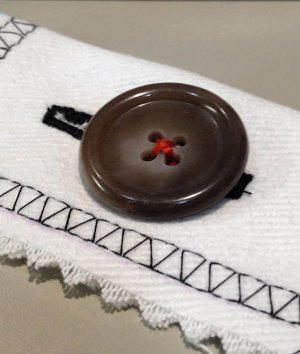
Buttonholes can be intimidating but they're not as hard as you might think, you just need a bit of planning and patience. This method uses a sewing machine, but you won't need any special attachments.
View this tip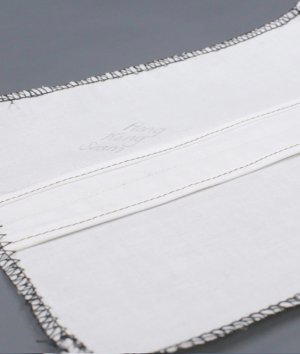
A Hong Kong seam can mostly be found in pants, dresses, and coats. This seam gives a smooth and lightweight finish on both sides.
View this tip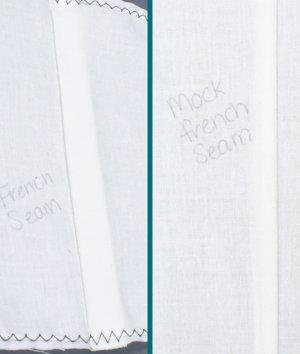
A French seam, which is one of the most common seams found in apparel, can be used in pants, shirts, unlined bags, and dresses. The mock French seam is used for similar purposes, but works better around curves than the French seam.
View this tip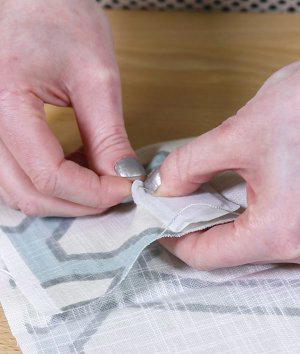
Drapery weights are used in the hem of curtains to make them hang straighter and improve the drape. There are several kinds of weights and different ways to add them. Check out our selection of drapery weights.
View this tip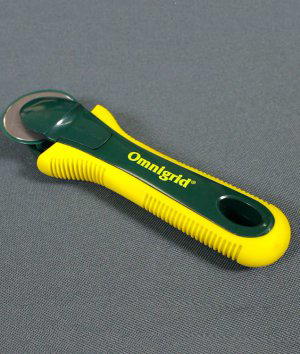
Rotary cutters are made to cut fabric, paper, leather, vinyl, mat board, and foam core. They are sometimes preferred over scissors when you need a straight, clean, precise cut, making them a favorite of quilters. We offer Omnigrid rotary cutters in 2 sizes and also carry replacement blades. The smaller 28mm size is best for curves and provides the most precision. You'll also need a cutting mat to protect the surface you're working on.
View this tip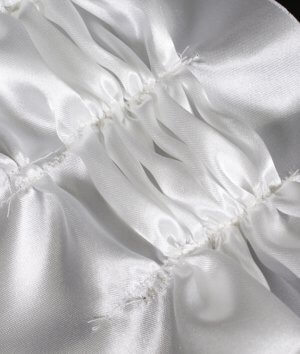
Ruching is a form of gathering fabric for texture and detail in a garment. Ruching can be seen in bathing suits, wedding gowns, and fitted tops. It can also be seen in some home decor products such as pillows.
View this tip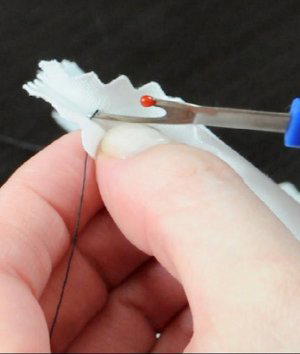
Seam rippers are useful to have when correcting sewing mistakes. A seam ripper is made up of a long point, a blade which is a curved part in the middle, and a little ball that helps protect the fabric.
View this tip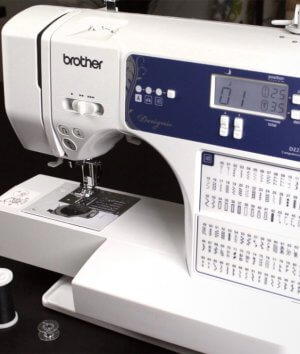
Sewing can be intimidating for first time sewers, but it's really very easy. There are two types of basic sewing machines: mechanical and computerized. They all have the same parts, but will be operated slightly differently. Refer to your manual for specifics about your sewing machine.
View this tip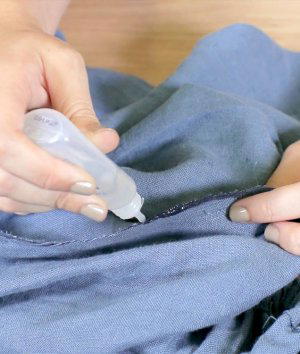
Dritz Fray Check is a seam sealant that prevents fabric from fraying and secures thread ends. It's perfect for use on the raw edges of fabric, ribbon, and trim. It also prevents thread ends on sewing and embroidery projects from coming loose. It can be used to finish raw edges on the inside of garments so they don't fray when washed. It's also great for small holes and tears and can be used in combination with an invisible hand stitch to make repairs to clothing and other items.
View this tip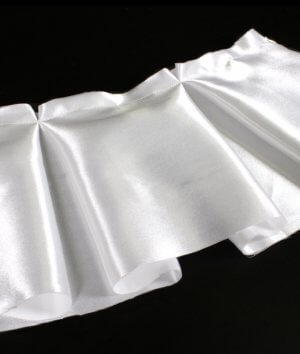
Box pleating is another form of pleating fabric that can be seen in a lot of skirts. This pleat is one of the most common types of pleating as it shows off a sophisticated and professional look.
View this tip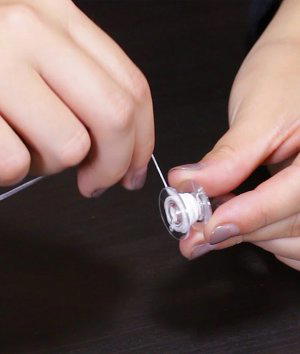
Elastic thread is thicker than normal thread and it stretches more. Elastic thread is used with stretchy fabrics and materials like jersey cotton and elastic. In many cases, a zigzag or stretch stitch with regular thread will provide enough give to work with stretchy materials, but elastic thread can be used for certain cases. See How to Sew Stretch Fabric for tips on working with stretchy fabrics. Elastic thread is used in the bobbin in combination with regular thread in the top stitch because the elastic thread is too thick to be threaded through the machine.
View this tip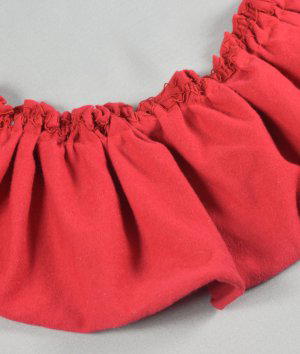
Ruffles can be made for skirts, dresses, blouses, children's wear, and curtains. There are 2 different types of ruffles; pleated and gathered. Gathered ruffles are most popular and create a full look whereas pleated ruffles can look a little more elegant. Ruffles are a great accent whether large or small.
View this tip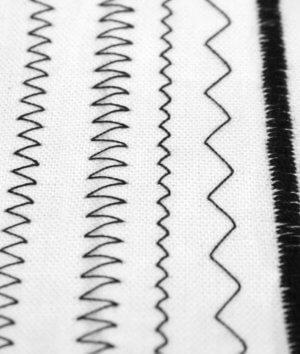
The zig zag stitch is one of the most common stitches, along with the straight stitch, and it has many uses. It's perfect for sewing stretch fabrics because it has more give than the straight stitch. It's generally sturdier than the straight stitch, so it can be used if you want something sewn extra strong. It's often used as a decorative stitch, as well.
View this tip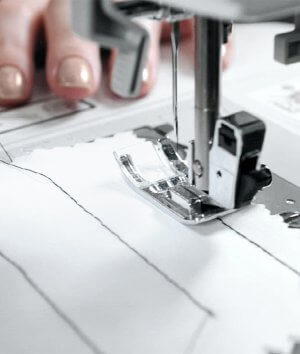
The straight stitch is the go-to stitch when sewing. It's great for sewing a wide variety of fabrics and is very versatile. Specific instructions will vary be sewing machine, but the results look the same!
View this tip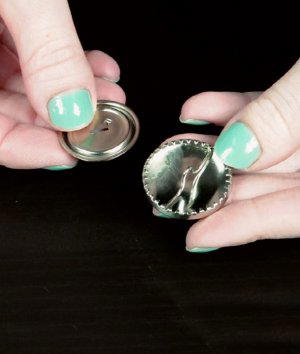
Half ball cover buttons are commonly used in home décor as buttons for tufting on upholstery, pillows, and cushions. They can also be used in crafts and for fashion and accessories. You can cover them with any fabric to match your project or as an accent. Dritz Half Ball Cover Buttons are really simple to cover with no special tools required.
View this tip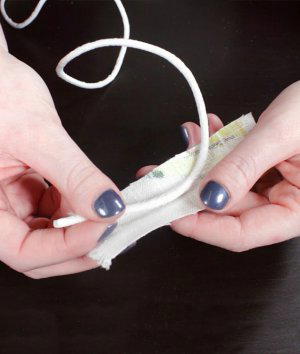
Piping adds a nice finishing touch to projects like cushions, pillows, or upholstery. The cord that is inside piping is referred to as cording, welting, piping cord or welt cord. It comes in many thicknesses. 1/8" is a common size. The core can be made of various materials like cotton, cellulose paper fiber, or foam.
View this tip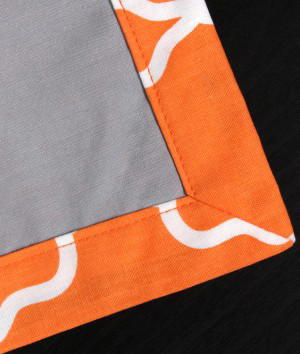
A mitered corner is when two sides come together at a 45 degree angle. You can use this technique to create a polished look on many sewing projects, like napkins, tablecloths, blankets, quilts and curtains. You can make mitered corners just about any size. This example will have a 1" mitered corner.
View this tip-
{{#each productSuggestedQueries.results}}
- {{query}} {{/each}}
-
{{#each categories.results}}
- {{html title}} {{/each}}
{{html attributes.description}}
{{/if}}-
{{#each queries.results}}
- {{query}} {{/each}}